How developers use placemaking to increase sales and create identity
Developers know the challenge well. New buildings are competing for attention, buyers are more selective, and communities expect more from the places being built around them. Strong placemaking has become one of the most reliable ways to cut through the noise. It helps new developments feel established from day one, while giving people a clear sense of character and belonging.
Art plays a central role in that process. Not just as decoration, but as a tool that helps developers shape identity and create desirable environments long before the first resident arrives. When used well, artwork can turn a set of buildings into a place people recognise, talk about and want to invest in.
How Art Shapes Perception (And value) of Property
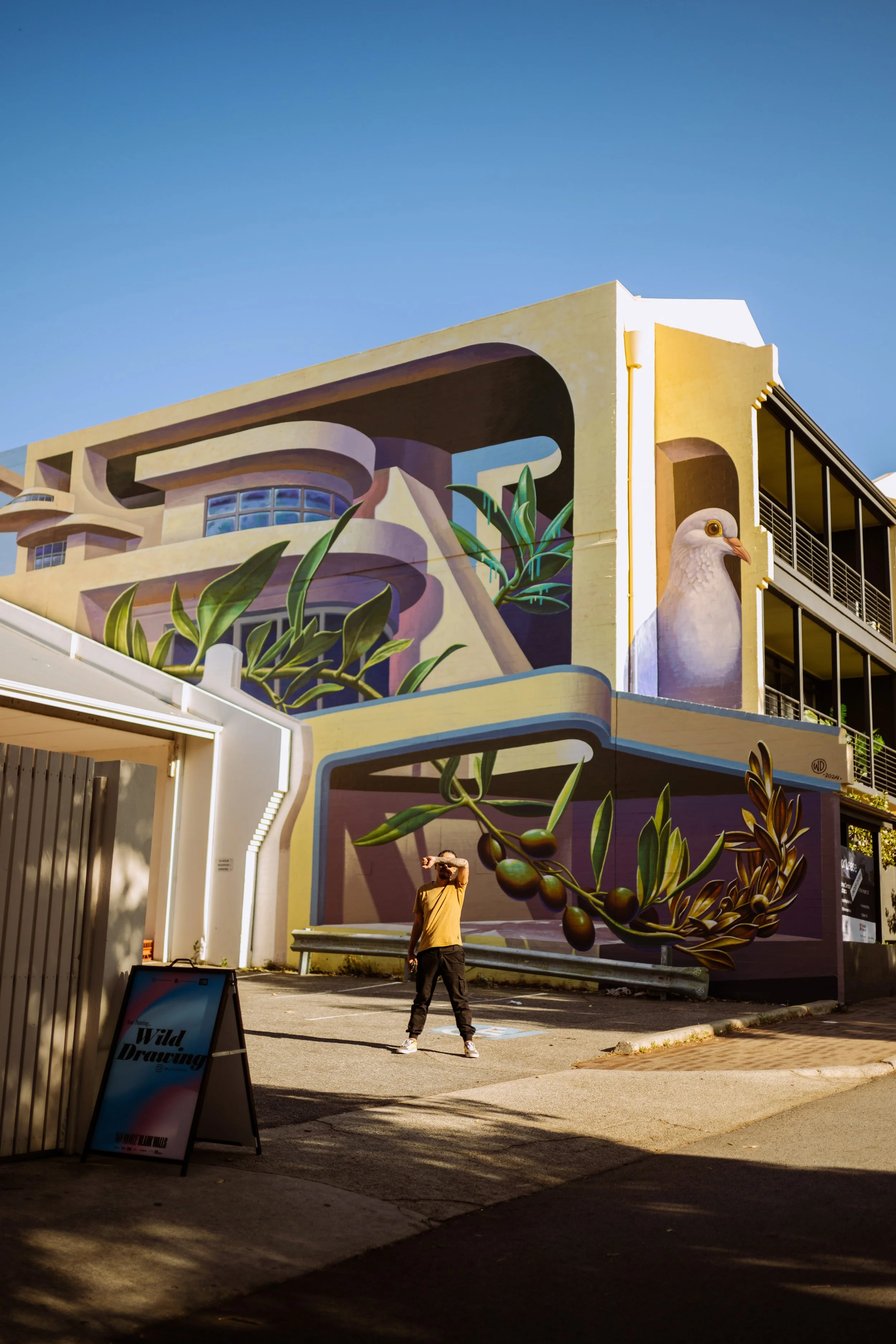
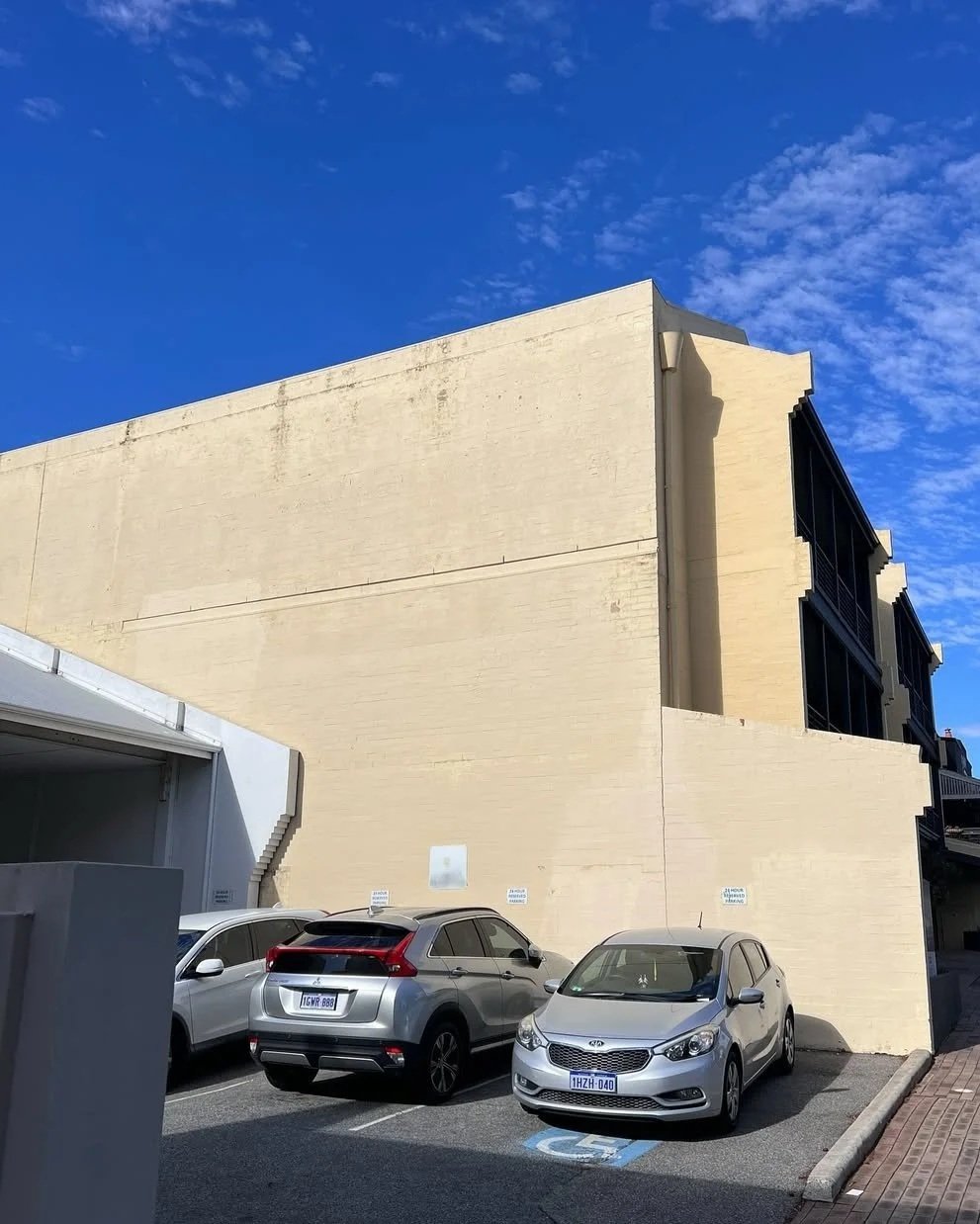
Buyers and tenants respond to developments that feel considered. Murals, curated artwork and cultural touchpoints instantly shift perception, especially in early phases where construction hoardings, unfinished landscaping or empty retail units might dominate the streetscape. Art softens those edges. It brings energy and optimism to a site that is still forming.
For developers, the benefit goes beyond aesthetics. Strong placemaking has a measurable impact on sales and leasing activity. When the environment feels vibrant and culturally anchored, people spend more time on site and imagine themselves living or working there. It helps developments stand apart from neighbouring schemes offering similar layouts, prices or amenities. Art becomes one of the few elements that cannot be easily replicated by competitors.
using art to Build Connection and Identity
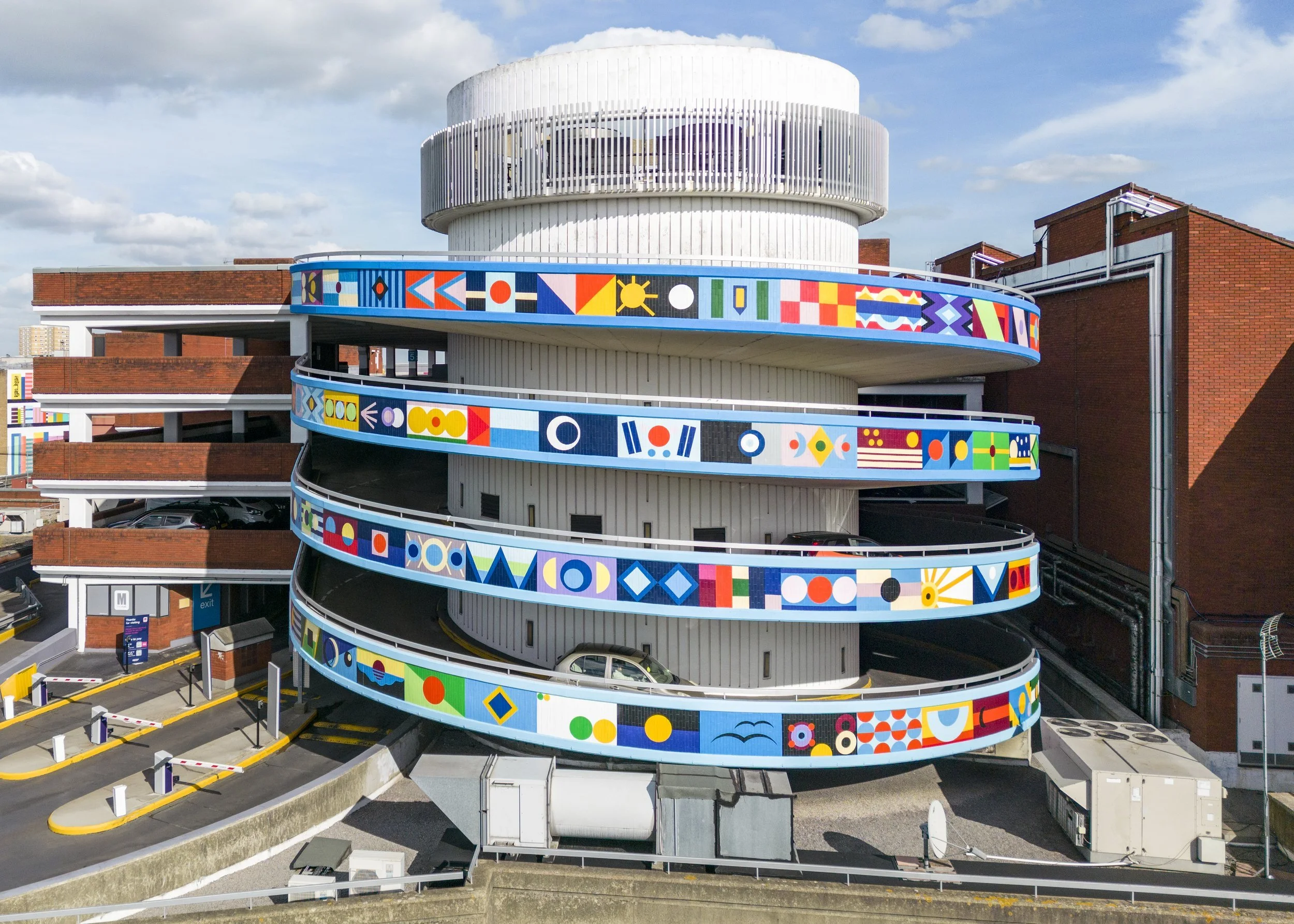
Art also supports early activation strategies. Before a project is complete, murals and temporary installations give marketing teams content that feels alive. They create reasons for people to visit the site during launch phases or open days. They help turn a construction zone into something engaging, making it easier to build momentum and attract early purchasers.
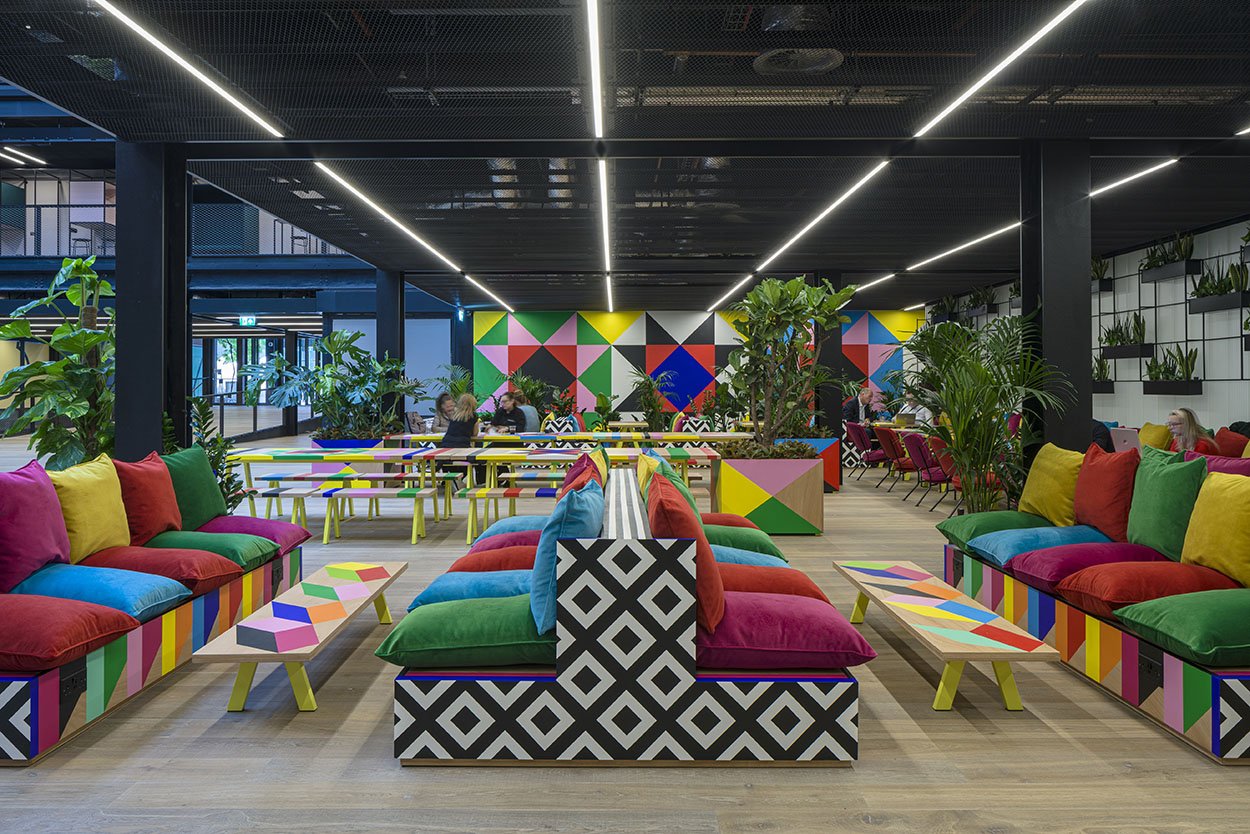
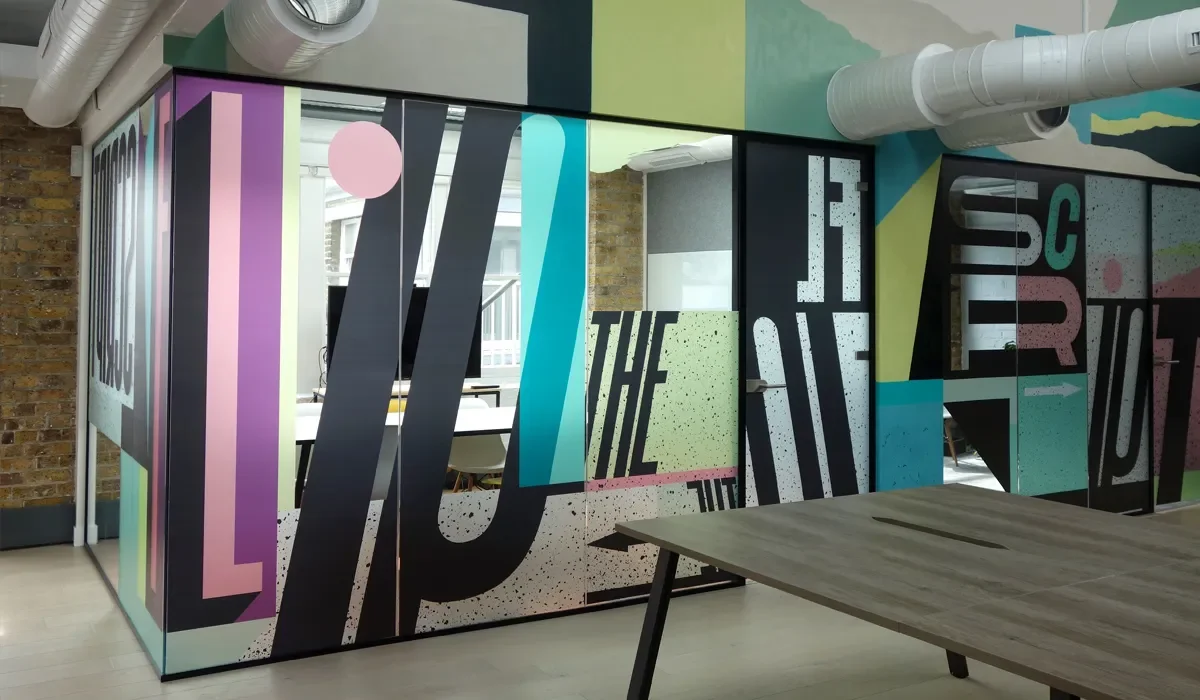
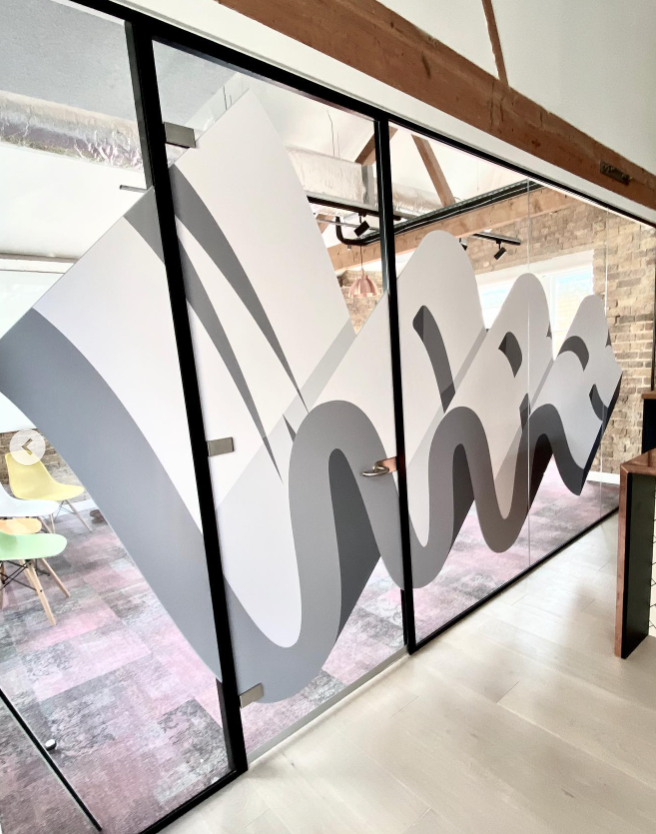
As developments progress, a curated approach to art builds coherence across buildings, courtyards and communal spaces. Corridors, lobbies, stairwells and shared amenities can all support the same visual identity. It gives residents a sense of belonging and creates a stronger impression for prospective buyers. These touchpoints offer moments of personality within structures that may otherwise feel uniform.

Olive street, by jerome davenport
community engagement through art
Art also supports community engagement. Projects that involve local artists or reflect local history can help strengthen relationships with surrounding neighbourhoods. This can be especially valuable for large or complex schemes where developers want to position themselves as part of the community, not separate from it.
For long-term mixed-use precincts or multi-stage masterplans, placemaking becomes even more important. These developments often take years to complete and need consistent storytelling throughout. A well-planned art approach can evolve across phases, helping maintain interest and supporting marketing campaigns at key milestones. It gives each stage its own character while keeping the overall identity intact.
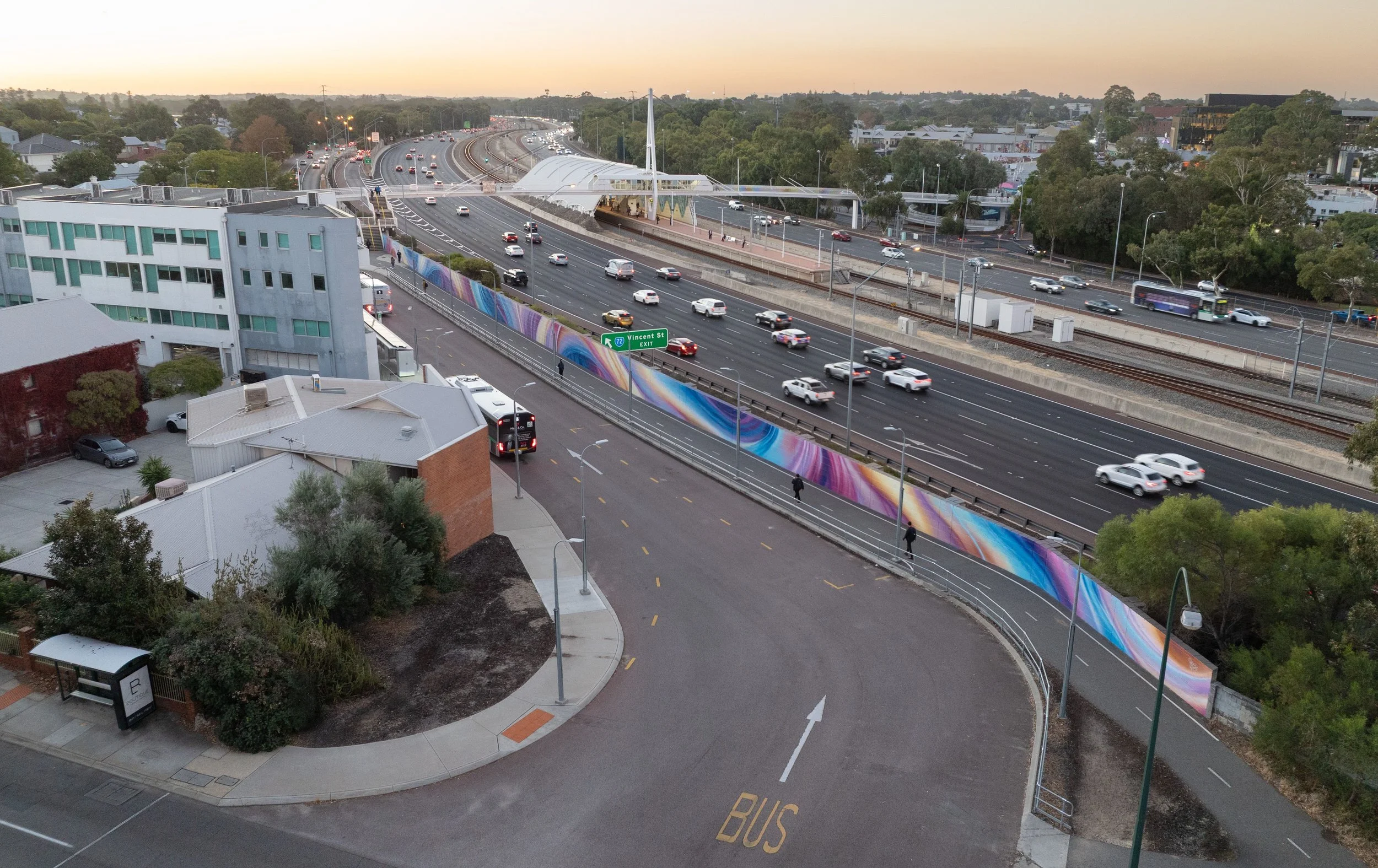
rosie woods for pta
Creating Value for Everyone
Developers who invest in placemaking early see the benefits through the full lifecycle of a project. Strong cultural identity leads to increased sales velocity, stronger brand perception and more desirable environments. It helps buildings feel lived-in before the first resident moves in. And it positions the developer as someone who cares about creating places people genuinely want to be part of.
For buyers, art makes a development feel human. For the community, it brings pride. And for developers, it offers one of the simplest ways to elevate a project from a collection of buildings to a meaningful place.

zoë power for tower works, leeds